
We use cookie to improve your experience on our site. By using our site you consent cookies. Learn more

Breakthrough Approaches in Plant Genetics and Breeding: More Productive and Resilient Crops
The global agricultural landscape faces unprecedented challenges, from feeding a growing population to adapting to rapid climate change and managing dwindling natural resources. In this critical context, plant genetics and breeding have emerged as pivotal fields, offering innovative solutions to develop crops that are not only more productive but also incredibly resilient. For leaders in the agriculture sector like Kayhan Ertuğrul, understanding and implementing these cutting-edge approaches is fundamental to ensuring a sustainable and food-secure future.
The Imperative for Innovation in Crop Development
For centuries, traditional plant breeding relied on selective crosses and phenotypic selection, a process that, while effective, is inherently slow and resource-intensive. This conventional methodology struggles to keep pace with today's accelerated demands for higher yields, enhanced nutritional value, and robust resistance to pests, diseases, and environmental stressors such as drought and salinity. The urgent need for faster, more precise, and efficient crop improvement strategies has driven significant investment and groundbreaking discoveries in plant science.
Cutting-Edge Technologies Transforming Plant Breeding
Modern plant genetics leverages a suite of advanced tools and methodologies, each offering a unique pathway to accelerate crop development and enhance crop traits:
-
CRISPR-Cas9 and Gene Editing: Precision at the Molecular Level
Often hailed as a revolution, CRISPR-Cas9 technology allows for incredibly precise modification of DNA sequences. Unlike traditional genetic modification which inserts foreign DNA, gene editing can 'cut' and 'paste' specific genes within a plant's own genome, enabling targeted improvements like enhanced disease resistance, improved nutrient uptake, or altering ripening times without introducing external genetic material. This precision reduces off-target effects and significantly shortens the breeding cycle. -
Genomic Selection: Accelerating the Breeding Cycle
Genomic selection utilizes advanced computational models and whole-genome sequencing to predict the genetic merit of plants at very early stages. By analyzing thousands of genetic markers across a population, breeders can select the most promising individuals based on their genotype rather than waiting for them to mature and express their phenotype. This drastically reduces the time and resources required for selection, leading to faster development of superior varieties. -
Phenomics: High-Throughput Trait Analysis
Phenomics involves the high-throughput measurement of plant traits (phenotypes) throughout a plant's life cycle. Using sensors, robotics, and artificial intelligence, researchers can collect vast amounts of data on growth, yield, water use efficiency, and stress responses. This detailed phenotypic data, when combined with genomic information, provides a comprehensive understanding of gene-to-trait relationships, enabling more informed selection decisions. -
Speed Breeding: Cultivating Crops Faster
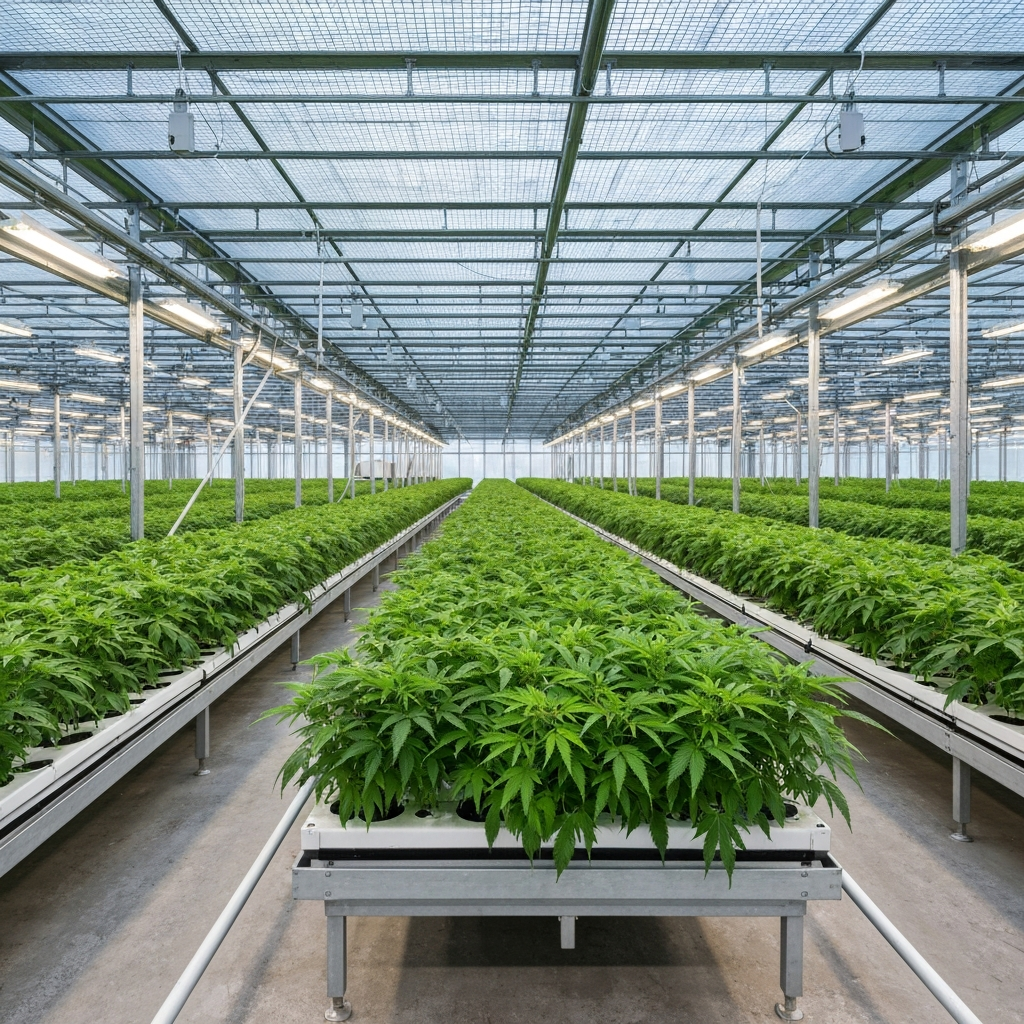
Speed breeding is a technique that accelerates the growth cycle of plants by manipulating environmental conditions such as light, temperature, and humidity to induce rapid generation turnover. By growing multiple generations per year, breeders can significantly cut down the time it takes to develop new varieties, bringing improved crops to market much faster than traditional methods. -
Synthetic Biology Applications: Designing Future Crops
Synthetic biology involves designing and constructing new biological parts, devices, and systems, or redesigning existing natural biological systems. In agriculture, this could mean engineering metabolic pathways to produce novel compounds, enhancing photosynthetic efficiency beyond natural limits, or creating plants with entirely new resistance mechanisms to pests and diseases.
Realizing the Benefits: A New Era for Agriculture
These breakthrough approaches are not just academic pursuits; they are yielding tangible benefits across the agricultural value chain. We are seeing the development of crops with:
- Increased Yields: Maximizing per-acre production to meet global food demands.
- Enhanced Resistance: Building innate immunity to devastating diseases and pests, reducing reliance on chemical inputs.
- Climate Resilience: Breeding varieties that thrive in adverse conditions like drought, heat, and poor soil, ensuring food security in a changing climate.
- Improved Nutritional Value: Fortifying staple crops with essential vitamins and minerals to combat malnutrition.
- Sustainability: Developing crops that require less water, fertilizer, and pesticides, promoting environmentally friendly farming practices.
Kayhan Ertuğrul's Vision for Sustainable Agriculture
At Kayhan Ertuğrul, our commitment to advancing the agricultural sector is deeply rooted in embracing these transformative technologies. We believe that integrating breakthrough approaches in plant genetics and breeding is not merely an option but a necessity. Our focus is on leveraging these innovations to empower farmers with superior seeds and knowledge, fostering a future where agriculture is both highly productive and ecologically sustainable. By investing in research, collaborating with leading scientists, and adopting cutting-edge methodologies, Kayhan Ertuğrul aims to lead the charge in developing robust, high-yielding crops that contribute significantly to global food security and environmental stewardship.
The Future of Food Security
The convergence of advanced genetics, data science, and accelerated breeding techniques is ushering in a golden age for plant science. These breakthrough approaches are not just about improving individual crops; they represent a fundamental shift in how we approach food production, making it more efficient, sustainable, and capable of addressing the complex challenges of the 21st century. The continuous innovation in plant genetics and breeding is our most powerful tool in securing a resilient and prosperous future for agriculture worldwide.

3 min read
Share this postDiğer Yazılar
