We use cookie to improve your experience on our site. By using our site you consent cookies. Learn more

Climate-Resilient Agriculture: Innovative Solutions for Future Farming
The global agricultural landscape stands at a critical juncture. With escalating climate change impacts – from erratic weather patterns and prolonged droughts to intense floods and rising temperatures – the imperative for robust and adaptive farming practices has never been greater. Climate-resilient agriculture emerges not merely as an option but as a necessity, offering a pathway to secure food systems and livelihoods for generations to come. At Kayhan Ertuğrul, we believe in championing these innovative solutions to cultivate a sustainable future for farming.
The Urgent Need for Adaptation in Agriculture
Traditional agricultural methods, once sufficient, are increasingly vulnerable to the unpredictable wrath of climate change. Crop failures, reduced yields, increased pest infestations, and dwindling water resources pose significant threats to food security worldwide. This profound challenge necessitates a paradigm shift towards practices that can withstand and recover from environmental shocks, ensuring stability and productivity in the face of adversity. Adapting to these new realities is crucial for farmers globally, allowing them to mitigate risks and sustain their operations.
Pillars of Climate-Resilient Agriculture: Innovative Strategies
Building a resilient agricultural system requires a multifaceted approach, integrating ecological principles with cutting-edge technology. Here are some of the core innovative solutions:
- Sustainable Water Management: Water scarcity is a defining challenge. Innovative solutions include precision irrigation techniques like drip systems, which deliver water directly to plant roots, minimizing waste. Rainwater harvesting, smart sensors for soil moisture monitoring, and drought-resistant crop varieties are also vital for optimizing water use efficiency.
- Biodiversity and Crop Diversification: Monoculture systems are inherently fragile. Promoting biodiversity through crop rotation, intercropping, and cultivating a diverse range of crops, including traditional and drought-tolerant varieties, enhances ecosystem resilience. This approach reduces vulnerability to specific pests and diseases while enriching soil health.
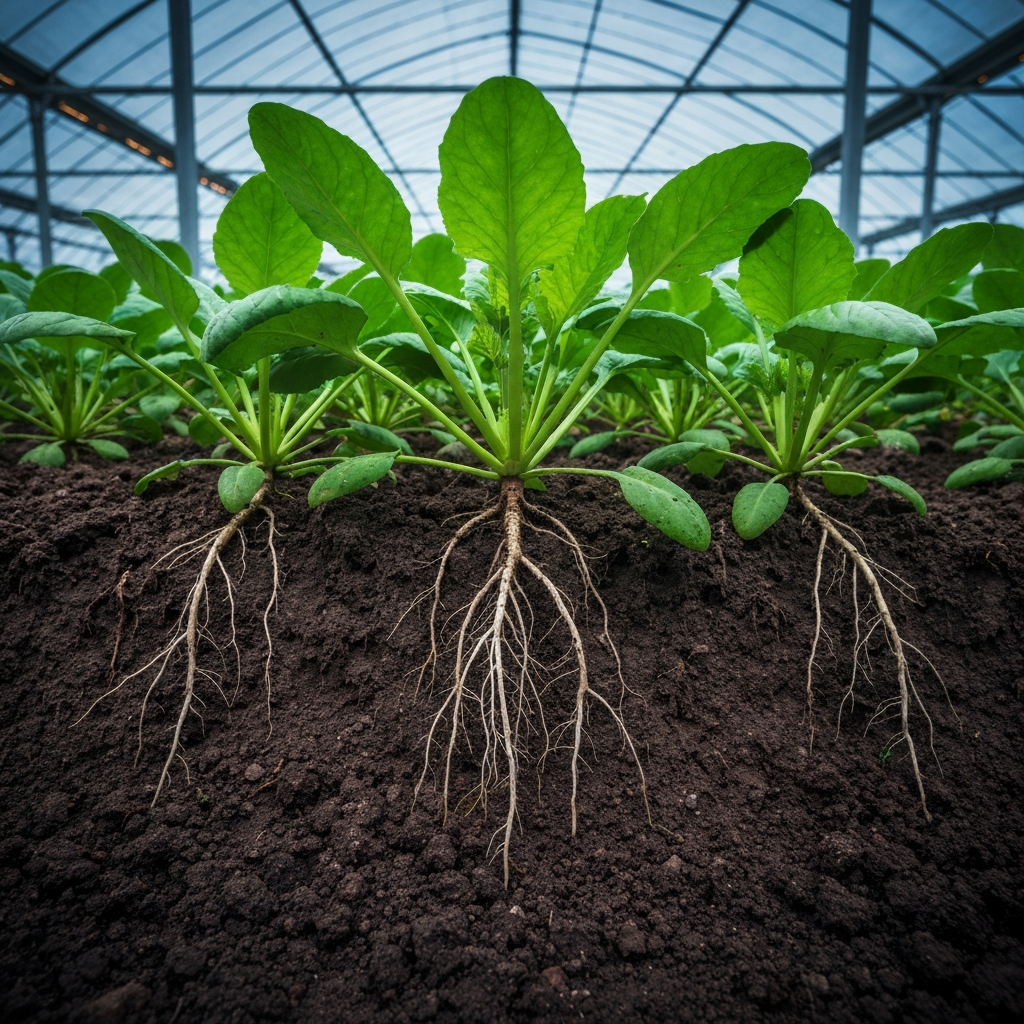
- Soil Health and Carbon Sequestration: Healthy soil is the bedrock of resilient agriculture. Practices such as no-till farming, cover cropping, and incorporating organic matter (e.g., compost, biochar) improve soil structure, water retention, and nutrient cycling. These methods also play a crucial role in sequestering atmospheric carbon, contributing to climate change mitigation.
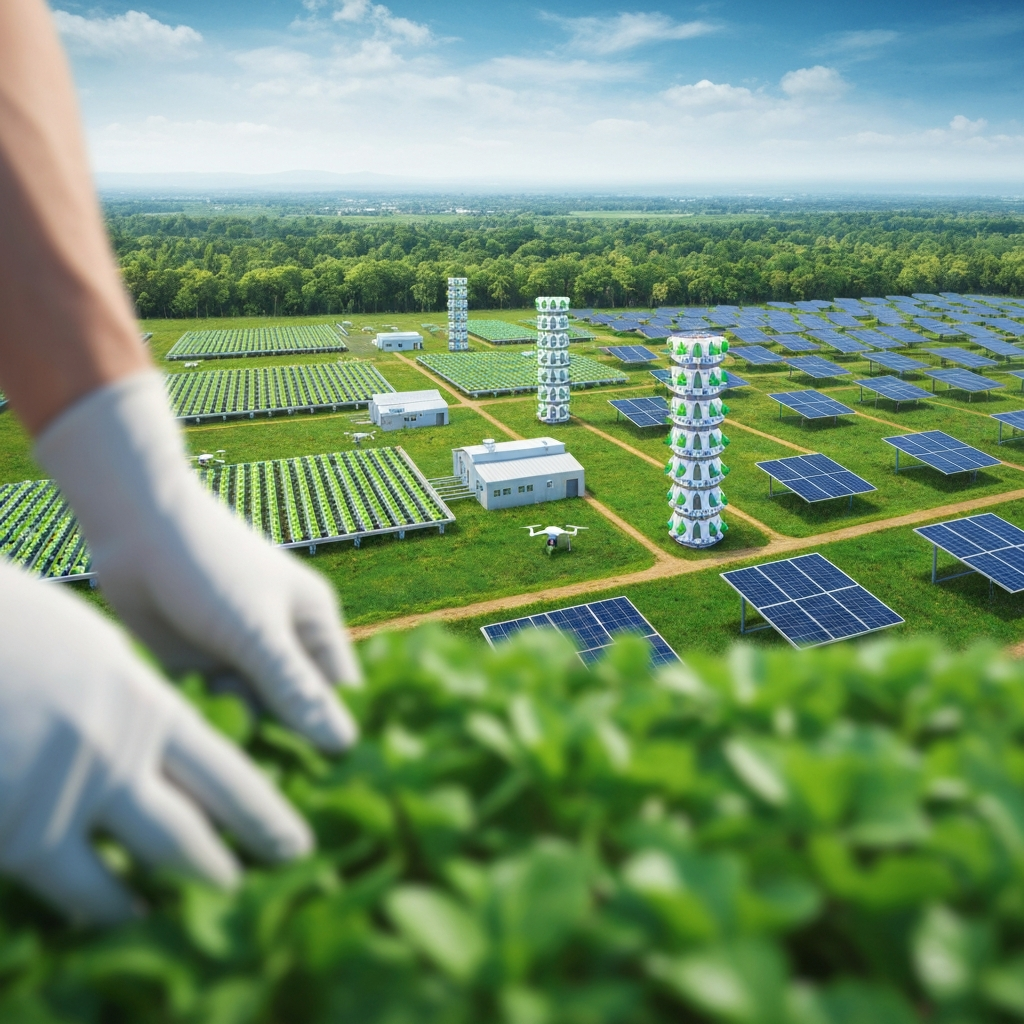
- Precision Agriculture and Technology Integration: Harnessing technology can revolutionize farming. Precision agriculture utilizes IoT sensors, satellite imagery, AI-driven analytics, and drones to monitor crop health, soil conditions, and weather patterns with unparalleled accuracy. This data-driven approach enables farmers to apply resources (water, fertilizer, pesticides) only where and when needed, optimizing efficiency and reducing environmental impact.
- Agroforestry and Integrated Farming Systems: Integrating trees and shrubs into agricultural landscapes (agroforestry) offers multiple benefits, including improved soil fertility, enhanced biodiversity, windbreaks, and additional income streams. Integrated farming systems that combine crop cultivation with livestock rearing or aquaculture create synergistic relationships, improving resource utilization and overall farm resilience.
Empowering Farmers for a Sustainable Tomorrow
These innovative solutions are not just theoretical concepts; they are practical tools that empower farmers to adapt, thrive, and contribute to global food security. By adopting climate-resilient practices, farmers can:
- Reduce reliance on external inputs, lowering operational costs.
- Enhance crop yields and quality despite climatic challenges.
- Improve soil fertility and biodiversity, fostering long-term productivity.
- Mitigate environmental impact and contribute to climate change solutions.
- Build more stable and predictable income streams.
Kayhan Ertuğrul's Commitment to Agricultural Innovation
At Kayhan Ertuğrul, we are dedicated to fostering a future where agriculture flourishes sustainably. We champion the adoption of these innovative, climate-resilient farming techniques through research, development, and practical implementation strategies. Our commitment extends to providing knowledge and resources that empower farmers to navigate the complexities of a changing climate, ensuring productivity and profitability. We believe in harnessing the power of innovation to transform agricultural challenges into opportunities for growth and sustainability.
Conclusion: Cultivating Resilience for Generations
Climate-resilient agriculture is the cornerstone of future farming. By embracing sustainable water management, diverse cropping systems, robust soil health practices, cutting-edge technology, and integrated agroforestry, we can build agricultural systems capable of withstanding environmental pressures while feeding a growing global population. The path to a secure and sustainable food future lies in innovation, adaptation, and a collective commitment to cultivating resilience. Join Kayhan Ertuğrul in shaping this transformative journey towards a thriving, climate-smart agricultural world.

3 min read
Share this postDiğer Yazılar
