We use cookie to improve your experience on our site. By using our site you consent cookies. Learn more

The agricultural sector is undergoing a major transformation thanks to digital technologies. The concept of “smart farming” paves the way for more planned, measurable, and efficient production processes. Through digitalization, farmers can make data-driven decisions, better manage resources, and minimize environmental impacts.
What Is Smart Farming?
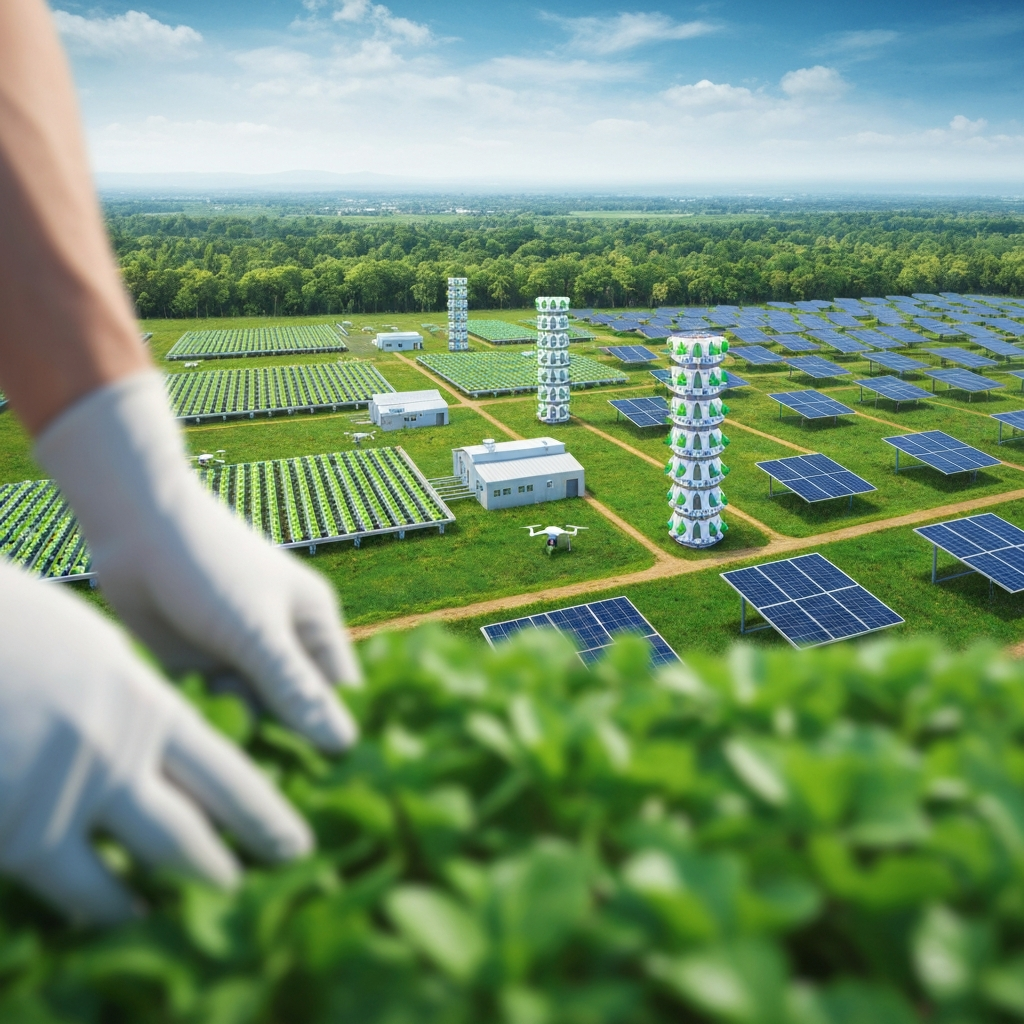
Smart farming refers to the systematic use of information and communication technologies (ICT) in agricultural operations. These practices are supported by tools such as sensors, drones, satellite imagery, artificial intelligence, and data analytics. The aim is to monitor field conditions continuously and take real-time actions for optimal production.
Digital Agricultural Applications
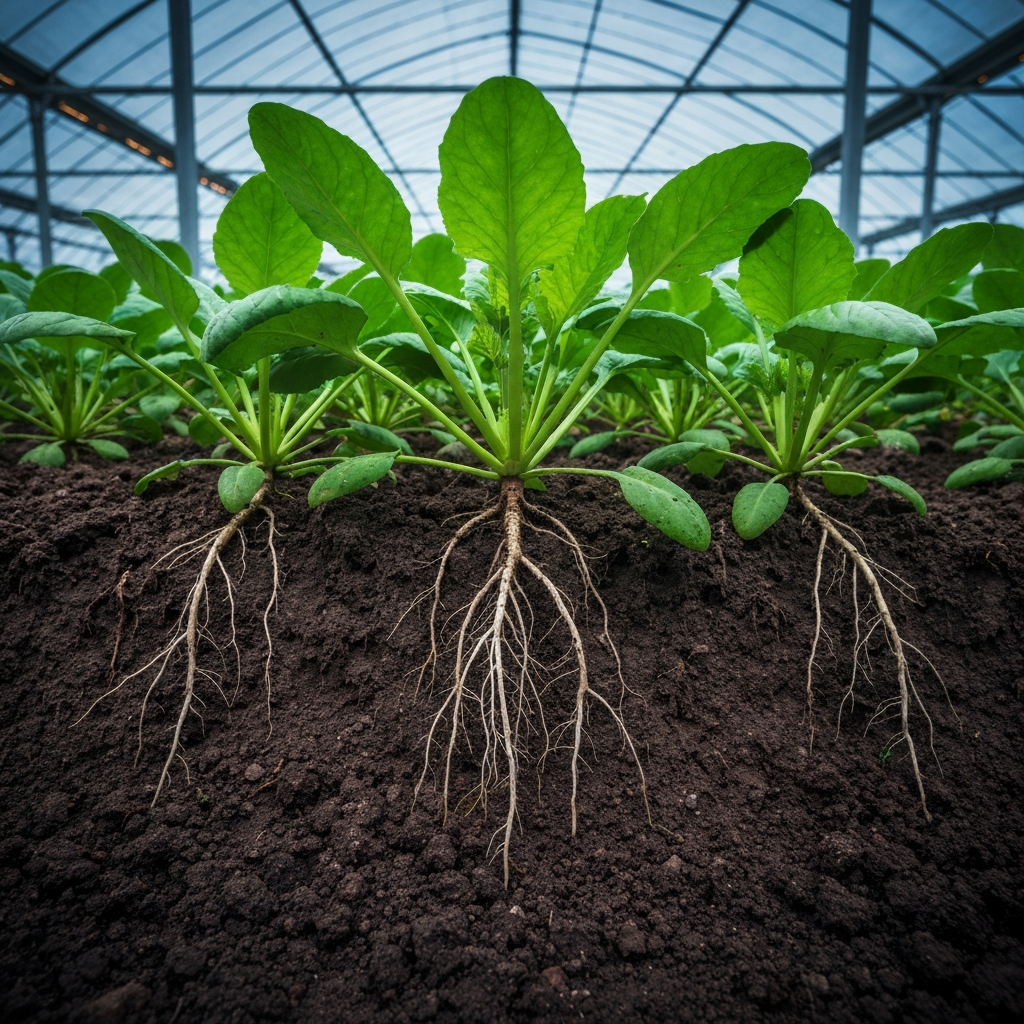
Today, digital tools are widely used in agriculture. For example, sensor-based soil analysis devices measure moisture, pH, and nutrient levels in real time, enabling precise fertilization. Drones provide early detection of diseases and pests. GPS-guided equipment allows for precise field operations.
Key Benefits
-
Efficiency: Digital systems optimize processes to increase yield.
-
Cost Reduction: Prevents unnecessary use of chemicals, fertilizers, and fuel.
-
Time Saving: Automation reduces manual workload.
-
Environmental Responsibility: Conscious production minimizes ecological damage.
The Future of Farming Is Digital
Digital agriculture doesn’t just increase productivity; it also builds resilience against global challenges like climate change. Smart farming also attracts younger generations, supporting long-term sustainability of the sector.

1 min read
Share this postDiğer Yazılar
