We use cookie to improve your experience on our site. By using our site you consent cookies. Learn more

AI-Powered Agriculture: Smart Decisions Through Prediction and Optimization
The agricultural sector, a cornerstone of global sustenance, is undergoing a profound transformation driven by artificial intelligence (AI). This technological revolution, often referred to as AI agriculture or smart farming, is reshaping traditional practices, moving from intuition-based decisions to data-driven strategies. By harnessing the power of AI, farmers are now equipped to make intelligent, proactive decisions through advanced prediction and optimization techniques, ultimately leading to more efficient, productive, and sustainable operations. This shift is critical for meeting the escalating demands of a growing global population while safeguarding environmental resources.
The Dawn of Smart Agriculture with AI
For centuries, farming relied heavily on manual labor, experience, and an inherent understanding of local conditions. While these methods served their purpose, they often struggled with scalability, unpredictable environmental factors, and resource inefficiencies. The advent of AI marks a pivotal turning point, ushering in an era of precision agriculture where every aspect of farm management can be monitored, analyzed, and optimized. AI systems, fueled by vast datasets, bring unprecedented levels of accuracy and foresight to the agricultural landscape, transforming how we grow food and manage our land.
Key Pillars of AI in Agriculture
AI's impact on farming is multifaceted, primarily focusing on three critical areas:
- Prediction: AI models analyze historical and real-time data to forecast crucial outcomes such as weather patterns, crop yields, and the potential for pest infestations or diseases. This predictive capability allows farmers to anticipate challenges and opportunities.
- Optimization: Leveraging predictive insights, AI systems optimize resource allocation, including water, fertilizers, and pesticides, ensuring they are applied precisely where and when needed. This reduces waste and enhances efficacy.
- Automation: AI powers autonomous machinery like drones for monitoring and spraying, and robotic systems for planting, harvesting, and weeding. This reduces labor costs and increases operational speed and consistency.
Predictive Analytics: Foreseeing the Future of Your Farm
One of the most powerful applications of AI in agriculture is its ability to predict future events with remarkable accuracy. Advanced algorithms process data from sensors, satellites, weather stations, and historical records to provide invaluable insights:
- Weather Forecasting: Hyper-local and long-range weather predictions help farmers plan planting schedules, irrigation cycles, and harvesting times more effectively, minimizing risks associated with extreme weather.
- Crop Yield Prediction: By analyzing factors like soil quality, past yield data, planting density, and environmental conditions, AI can accurately forecast crop yields, aiding in better inventory management, market planning, and sales strategies.
- Disease and Pest Detection: AI-powered image recognition systems deployed on drones or ground-based robots can identify early signs of plant diseases or pest infestations long before they become visible to the human eye. This early detection enables targeted intervention, significantly reducing crop loss and the need for broad-spectrum chemical applications.
Optimization Strategies for Maximum Efficiency
Beyond prediction, AI excels at optimizing agricultural processes for peak performance and sustainability. This involves intelligent resource management and tailored interventions:
- Precision Irrigation: AI systems analyze soil moisture levels, weather forecasts, and crop-specific water requirements to determine the optimal amount and timing of irrigation, conserving water while ensuring optimal plant health.
- Nutrient Management: Soil sensors combined with AI analytics provide detailed insights into nutrient deficiencies or excesses. This enables variable rate application of fertilizers, ensuring plants receive the exact nutrients they need, reducing waste and environmental runoff.
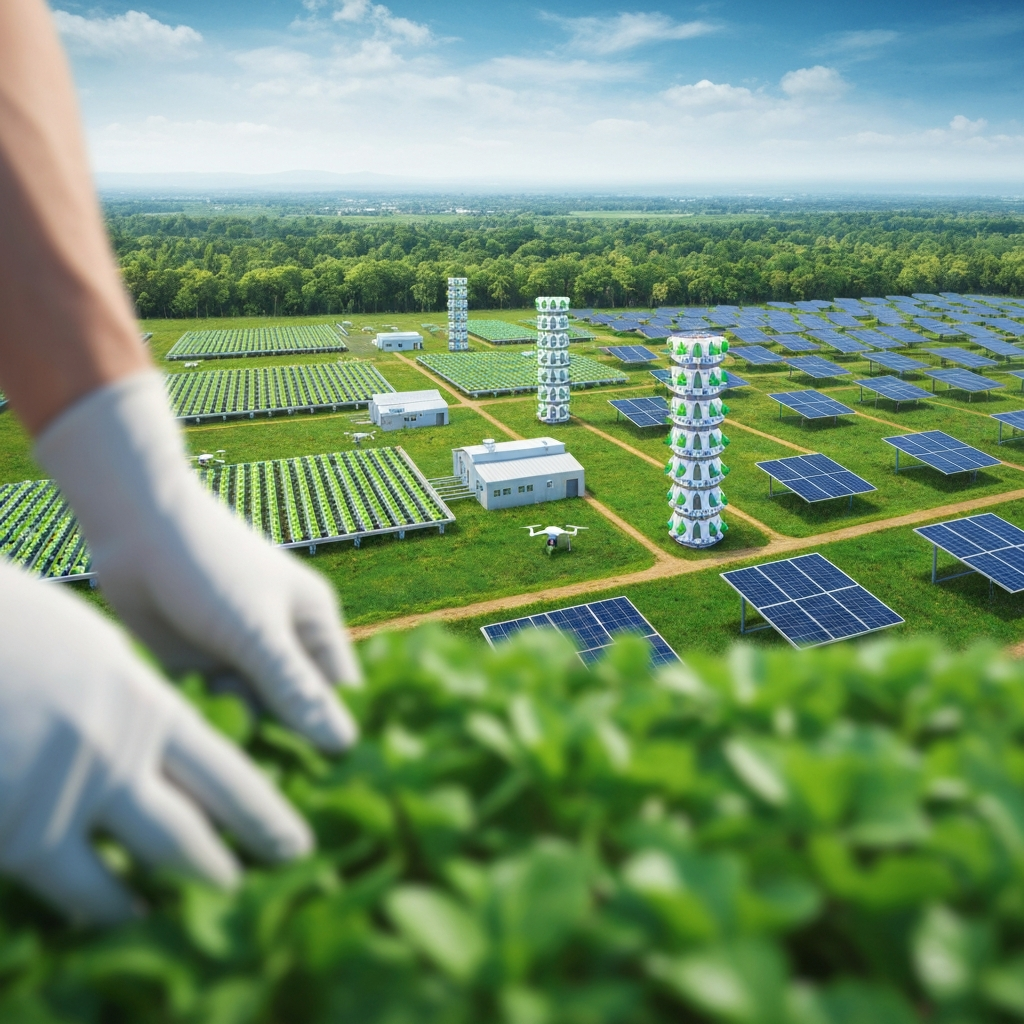
- Crop Health Monitoring: Drones equipped with multispectral cameras capture detailed imagery of fields. AI then processes this data to identify stress points, growth anomalies, and nutrient deficiencies, allowing farmers to intervene precisely.
Kayhan Ertuğrul: Empowering Farmers with AI Solutions
As the agricultural industry embraces digital transformation, leading solution providers like Kayhan Ertuğrul are at the forefront, developing and deploying cutting-edge AI agriculture technology. Our commitment is to empower farmers with the tools and insights needed to navigate the complexities of modern farming, ensuring both profitability and environmental stewardship. By integrating advanced analytics and robust AI models, Kayhan Ertuğrul helps transform raw data into actionable intelligence, enabling smart decisions that drive success across diverse agricultural operations.
The Tangible Benefits of AI-Driven Farming
The widespread adoption of AI in agriculture brings a multitude of benefits:
- Increased Yields: Optimized conditions and timely interventions lead to healthier crops and higher productivity.
- Reduced Costs: Efficient use of water, fertilizers, and pesticides lowers operational expenses.
- Enhanced Sustainability: Minimized chemical use and water conservation contribute to environmentally friendly practices.
- Improved Decision-Making: Data-driven insights replace guesswork, leading to more informed and effective strategies.
- Better Food Security: Higher yields and reduced waste contribute to a more stable and secure food supply for the global population.
Challenges and the Road Ahead
While the promise of AI in agriculture is immense, challenges remain. These include the initial investment cost for technology, the need for robust data infrastructure, and ensuring digital literacy among farmers. However, as AI technologies become more accessible and intuitive, their integration into mainstream farming practices will accelerate. The future of digital farming promises even greater automation, more sophisticated predictive models, and a holistic approach to farm management that is both highly efficient and deeply sustainable.
In conclusion, AI-powered agriculture is not just a technological advancement; it's a paradigm shift towards a smarter, more resilient, and sustainable food production system. By enabling precise prediction and intelligent optimization, AI empowers farmers to make smart decisions that benefit their operations, the environment, and global food security. The journey towards a fully intelligent agricultural ecosystem is well underway, promising a bountiful future for generations to come.

4 min read
Share this postDiğer Yazılar
