We use cookie to improve your experience on our site. By using our site you consent cookies. Learn more

Next-Generation Plant Protection Strategies: Integrated Approaches for Healthier Produce
The global agricultural landscape faces an unprecedented challenge: feeding a rapidly growing population while minimizing environmental impact and ensuring food safety. Traditional plant protection methods, often reliant on synthetic chemicals, have raised concerns regarding ecological balance, biodiversity, and residues in produce. This pressing need has paved the way for the emergence of 'Next-Generation Plant Protection Strategies' – comprehensive, integrated approaches designed to foster healthier crops, a healthier planet, and healthier consumers. At the forefront of this agricultural evolution, companies like Kayhan Ertuğrul are championing innovative solutions that redefine how we safeguard our invaluable crops.
What Defines Next-Generation Plant Protection?
Next-generation plant protection moves beyond simply eradicating pests and diseases after they appear. Instead, it adopts a proactive, holistic philosophy focused on preventing outbreaks, building crop resilience, and nurturing the entire agro-ecosystem. This paradigm shift emphasizes understanding the complex interactions within the farm environment and leveraging a diverse toolbox of methods, rather than relying on a single silver bullet. The ultimate goal is to achieve effective pest, disease, and weed management with significantly reduced reliance on conventional chemical inputs, leading to cleaner, safer, and more sustainable agricultural systems.
Pillars of Integrated Plant Protection (IPP) / Integrated Pest Management (IPM)
The cornerstone of next-generation strategies is the concept of Integrated Plant Protection (IPP), often interchangeably used with Integrated Pest Management (IPM). IPP is not a single method but a thoughtful combination of practices. Key pillars include:
- Biological Control: Harnessing nature's own mechanisms, this involves introducing or conserving beneficial insects, mites, and microorganisms (e.g., predatory wasps, ladybugs, entomopathogenic fungi) that prey on or parasitize pests.
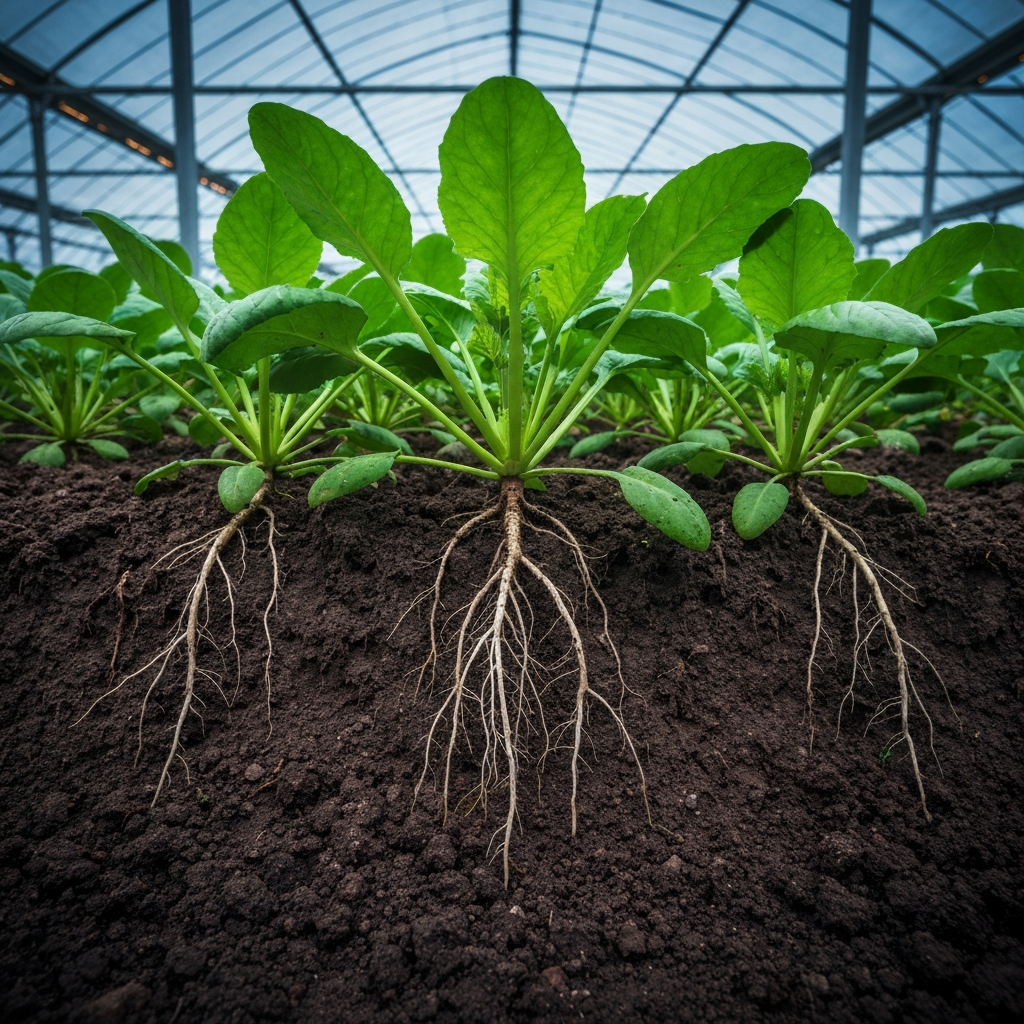
- Cultural Practices: Implementing sound farming techniques such as crop rotation, selecting resistant plant varieties, optimizing planting times, maintaining proper soil health, and managing irrigation to create an unfavorable environment for pests and diseases.
- Physical and Mechanical Methods: Direct interventions like hand-weeding, using netting or traps, employing barriers, or heat treatments to disrupt pest life cycles.
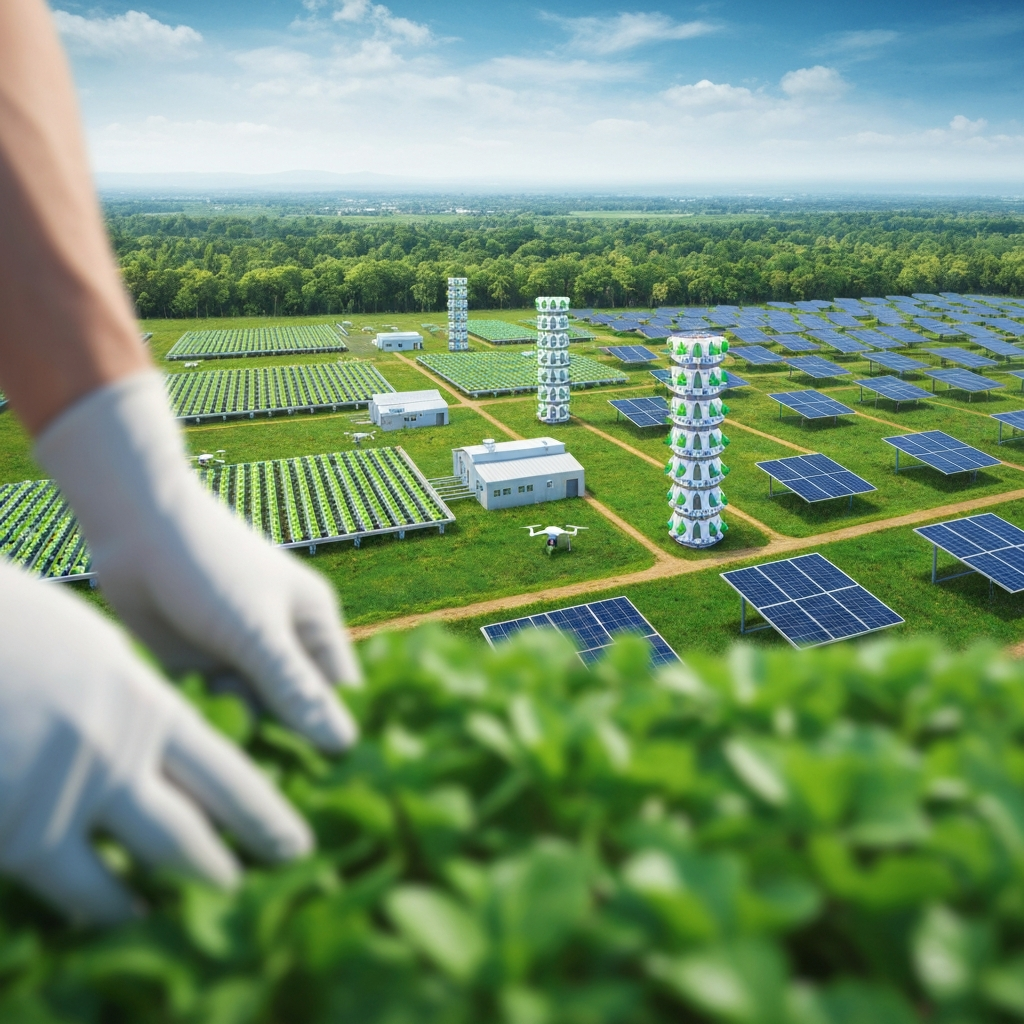
- Precision Agriculture and Digital Technologies: Utilizing advanced tools like drones, satellite imagery, AI-driven analytics, and IoT sensors to monitor crop health, identify problem areas early, and enable highly targeted applications of inputs, reducing overall usage.
- Biopesticides and Biostimulants: Deploying naturally derived substances – microbial pesticides, plant extracts, or pheromones – that are highly specific to target pests and generally safer for non-target organisms and the environment. Biostimulants enhance plant growth and resilience.
- Careful Chemical Intervention: When chemical intervention is absolutely necessary, it involves using the least toxic and most targeted products, applied only when pest thresholds warrant it, and in precise locations identified through monitoring. This minimizes broad-spectrum impact.
Benefits of Adopting Integrated Approaches
The transition to next-generation plant protection strategies offers a multitude of benefits across environmental, economic, and social dimensions. Farmers can achieve:
- Healthier and Safer Produce: Significantly reduced chemical residues mean fruits, vegetables, and grains are safer for consumption, meeting increasing consumer demand for organic and residue-free products.
- Environmental Sustainability: Protection of biodiversity, beneficial insects, soil health, and water quality through reduced chemical runoff and minimized ecosystem disruption.
- Enhanced Crop Resilience: Stronger, healthier plants are naturally more resistant to future pest and disease pressures, leading to more stable yields.
- Economic Advantages: While initial investments in technology or biological agents might be present, long-term benefits include reduced input costs (fewer conventional pesticides), lower labor for application, and access to premium markets.
- Compliance and Reputation: Adherence to increasingly stringent international regulations and improved public perception for sustainable farming practices.
Kayhan Ertuğrul's Commitment to Sustainable Agriculture
At Kayhan Ertuğrul, we believe that the future of agriculture lies in intelligence and sustainability. Our commitment extends to providing comprehensive solutions and expert guidance that empower growers to effectively implement these next-generation plant protection strategies. From advanced monitoring systems and precision application technologies to a curated portfolio of biological control agents and biopesticides, we work hand-in-hand with farmers to transition towards more resilient, productive, and environmentally responsible farming practices. We understand that each farm is unique, and our tailored approaches ensure that the integrated strategies are both practical and highly effective for diverse agricultural needs.
The Path Forward: Embracing a Holistic Vision
Embracing next-generation plant protection is not merely an option but an imperative for modern agriculture. It signifies a profound shift from managing symptoms to understanding and nurturing the root health of our agro-ecosystems. By combining scientific innovation with ecological wisdom, these integrated approaches offer a powerful pathway to securing food production for generations to come, ensuring both agricultural prosperity and planetary well-being. The journey towards truly sustainable agriculture is continuous, and with partners like Kayhan Ertuğrul, growers are well-equipped to navigate this transformative landscape, cultivating healthier produce for a healthier world.

3 min read
Share this postDiğer Yazılar
