We use cookie to improve your experience on our site. By using our site you consent cookies. Learn more

Robotics in Agriculture: The Future of Farming Begins Today
The agricultural sector, a cornerstone of human civilization, is currently undergoing a profound transformation. Faced with increasing global food demand, labor shortages, and the imperative for sustainable practices, farmers worldwide are embracing advanced technologies. Among these, robotics stands out as a game-changer, heralding an era where precision, efficiency, and sustainability are no longer aspirational but achievable realities. For forward-thinking brands like Kayhan Ertuğrul, understanding and integrating these robotic applications is crucial for navigating the future of food production.
The Dawn of Robotic Agriculture: Why Now?
The shift towards robotic agriculture is driven by a confluence of factors. Traditional farming methods, while effective for centuries, are struggling to meet modern challenges. Escalating labor costs, a shrinking rural workforce, and the need to optimize resource utilization (water, fertilizers, pesticides) have necessitated a technological revolution. Precision agriculture, powered by robotics and artificial intelligence, offers a viable path forward. It enables farmers to make data-driven decisions, reducing waste, increasing yields, and ensuring environmental stewardship. The increasing accessibility and affordability of these technologies mean that what was once science fiction is now becoming a practical tool for farms of all sizes.
Key Robotic Applications in Modern Farming
Robotics is permeating various stages of the agricultural lifecycle, offering solutions from planting to harvest:
- Autonomous Tractors and Field Robots: Self-driving tractors and field robots can perform tasks such as plowing, planting, and cultivating with unparalleled precision, working around the clock without human fatigue. These machines ensure optimal seed placement and consistent depth, leading to better germination rates and uniform crop growth.
- Weeding and Pest Control Robots: Instead of broad-spectrum chemical sprays, robotic weeders can identify and remove individual weeds mechanically or apply micro-doses of herbicides directly, significantly reducing chemical usage and environmental impact. Similarly, drones equipped with AI can spot pest infestations early, allowing for targeted interventions.
- Automated Harvesting Systems: Harvesting delicate crops like fruits and vegetables has historically been labor-intensive. Robotic harvesters, equipped with advanced vision systems and dexterous grippers, can identify ripe produce and pick it without bruising, ensuring consistent quality and reducing spoilage. For grains and other field crops, larger autonomous combines are increasing efficiency.
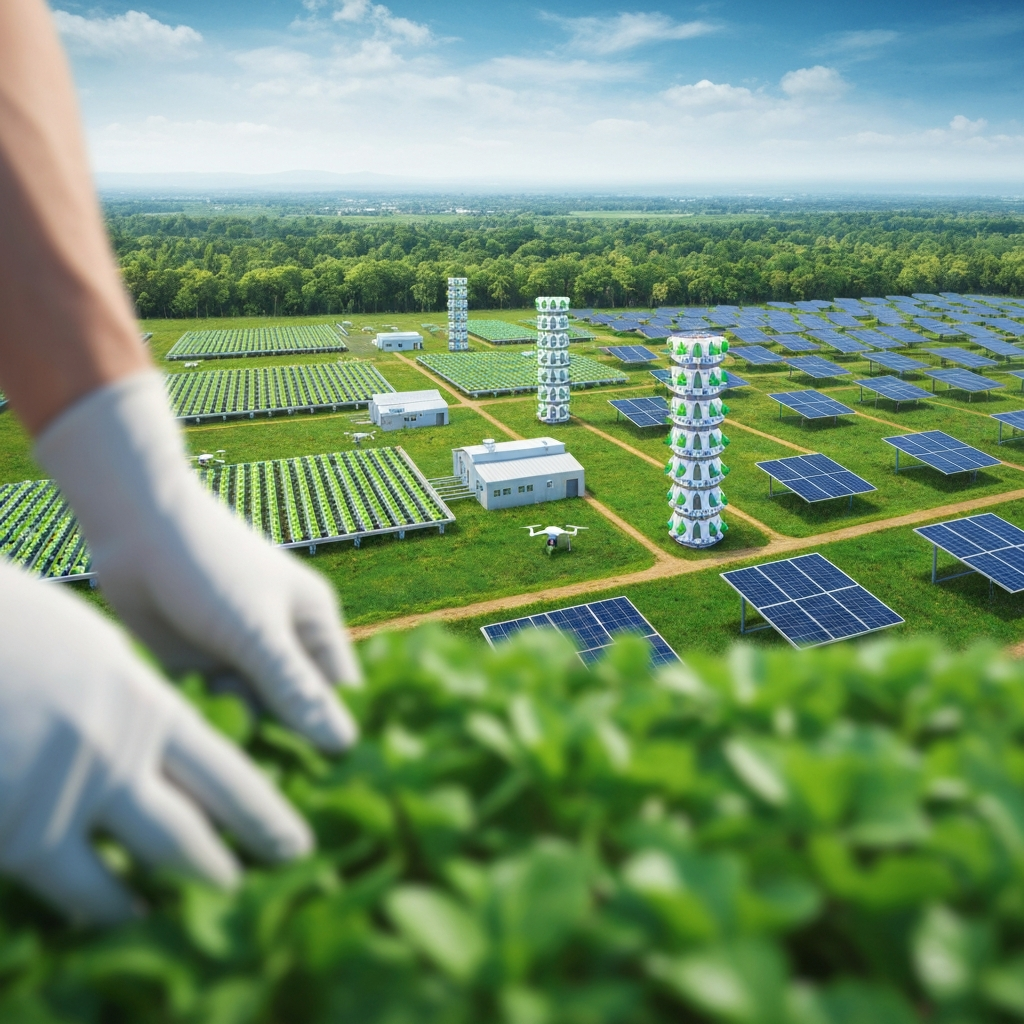
- Crop Monitoring and Data Collection: Drones and ground robots fitted with multispectral cameras and sensors collect vast amounts of data on crop health, soil conditions, and irrigation needs. This data, analyzed by AI algorithms, provides farmers with actionable insights to optimize nutrient application, water distribution, and disease prevention.
- Livestock Management Robots: In animal husbandry, robots assist with automated feeding, milking, and even health monitoring. Robotic milkers allow cows to be milked on demand, improving animal welfare, while automated feeders ensure precise nutrition for optimal growth and health.
Benefits of Integrating Robotics in Agriculture
The adoption of robotics in agriculture brings a multitude of advantages:
- Increased Efficiency and Productivity: Robots can operate continuously, perform tasks faster, and with greater accuracy than human laborers, leading to higher yields and better resource utilization.
- Reduced Labor Costs and Dependency: By automating repetitive and strenuous tasks, farms can mitigate labor shortages and reduce operational expenses associated with manual labor.
- Enhanced Sustainability and Environmental Impact: Precision application of water, fertilizers, and pesticides minimizes waste and runoff, contributing to healthier ecosystems and more sustainable farming practices.
- Improved Crop Quality and Yield: Consistent and precise operations, coupled with data-driven insights, lead to healthier plants, higher-quality produce, and ultimately, increased marketable yields.
- Better Data-Driven Decision Making: The constant flow of data from robotic systems provides farmers with an unprecedented level of insight into their operations, enabling proactive management and continuous improvement.
Challenges and Future Outlook
While the benefits are clear, the transition to robotic agriculture is not without its challenges. Initial investment costs can be significant, requiring careful financial planning. The need for technical expertise to operate and maintain these sophisticated systems is also a consideration, although user interfaces are becoming more intuitive. Furthermore, reliable internet connectivity in rural areas remains crucial for data transfer and remote operation. As the technology matures, these barriers are expected to diminish. The future promises even more sophisticated integration of AI, machine learning, and swarm robotics, where multiple smaller robots collaborate to achieve complex tasks. The agricultural landscape is set to become an increasingly intelligent, automated, and sustainable ecosystem.
Conclusion
Robotics is not just an add-on; it's becoming an indispensable component of modern agriculture, reshaping how we grow food and manage our farms. For innovative entities like Kayhan Ertuğrul, embracing these advancements is not merely about staying competitive; it's about leading the charge towards a more productive, efficient, and sustainable future for global food security. The journey towards robotic farming has well and truly begun, promising a future where cutting-edge technology works hand-in-hand with traditional farming wisdom to nourish a growing world.

3 min read
Share this postDiğer Yazılar
