We use cookie to improve your experience on our site. By using our site you consent cookies. Learn more

Sustainable Soil Management: Investing in the Future with Regenerative Agriculture
The health of our planet is inextricably linked to the health of its soil. For centuries, conventional agricultural practices have inadvertently contributed to soil degradation, erosion, and nutrient depletion. At Kayhan Ertuğrul, we understand that securing a resilient and prosperous future demands a fundamental shift in how we approach land stewardship. This is where sustainable soil management, particularly through the principles of regenerative agriculture, emerges not just as an option, but as a critical investment for generations to come.
The Urgency of Soil Health: A Global Imperative
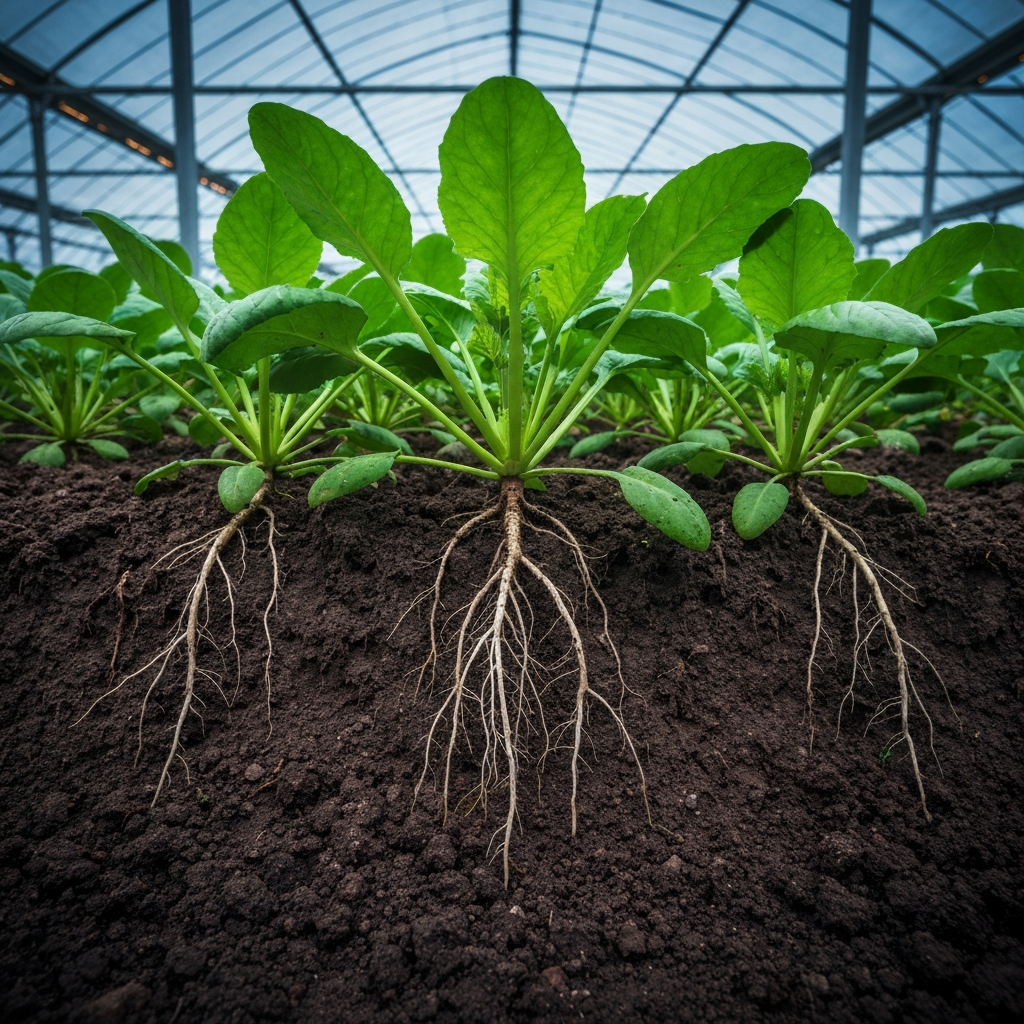
Soil is far more than just dirt; it's a living ecosystem teeming with biodiversity that supports nearly all life on Earth. Yet, studies reveal that a significant portion of the world's arable land is degraded. This degradation leads to reduced agricultural productivity, increased dependency on synthetic inputs, exacerbated climate change through carbon release, and diminished water quality. The traditional linear approach of 'take, make, dispose' in farming is unsustainable. Recognizing this challenge, Kayhan Ertuğrul champions innovative strategies to reverse these trends.
What is Regenerative Agriculture?
Regenerative agriculture is a holistic land management approach that focuses on restoring and enhancing ecosystem health, primarily through improving soil health. Unlike conventional methods that often deplete soil over time, regenerative practices aim to rebuild organic matter, increase biodiversity, and improve the soil's capacity to sequester carbon and retain water. It’s a paradigm shift towards working with nature, not against it.
Core Principles of Regenerative Agriculture:
- Minimal Soil Disturbance (No-Till/Reduced-Till): Avoiding plowing and turning of the soil helps maintain soil structure, fungal networks, and microbial life.
- Cover Cropping: Planting non-cash crops between growing seasons protects the soil from erosion, suppresses weeds, and adds organic matter.
- Crop Diversity/Rotation: Rotating different crops prevents pest and disease build-up, improves nutrient cycling, and supports diverse microbial communities.
- Integrating Livestock: Properly managed grazing can mimic natural ecosystems, enhancing soil fertility and stimulating plant growth.
- Minimizing Synthetic Inputs: Reducing reliance on synthetic fertilizers and pesticides fosters natural pest control and nutrient availability.
Tangible Benefits of Regenerative Practices
Embracing regenerative agriculture offers a multitude of benefits, extending far beyond the farm gate:
- Enhanced Soil Health: Increases organic matter, improving soil structure, water infiltration, and nutrient retention. This leads to more fertile and productive land.
- Climate Change Mitigation: Healthy soil acts as a significant carbon sink, drawing carbon dioxide from the atmosphere and storing it, directly contributing to climate change reversal.
- Improved Water Quality & Resilience: Better soil structure reduces runoff and erosion, leading to cleaner waterways. Increased water retention capacity helps farms withstand droughts and heavy rainfall.
- Increased Biodiversity: Supports a wider array of beneficial insects, microorganisms, and wildlife, creating a more balanced and resilient ecosystem.
- Economic Sustainability for Farmers: Reduced input costs (fertilizers, pesticides, fuel for tillage) and higher, more stable yields can lead to greater profitability and long-term viability for agricultural businesses.
- Nutrient-Dense Food: Healthier soils produce healthier plants, potentially leading to more nutritious food products.
Kayhan Ertuğrul's Commitment to a Regenerative Future
At Kayhan Ertuğrul, we are committed to guiding agricultural stakeholders towards a more sustainable and profitable future. We believe that investing in regenerative agriculture is not merely an environmental choice, but a strategic business decision. By implementing these practices, farmers and landowners can build resilience against environmental challenges, enhance productivity, and contribute positively to global food security and climate action. We offer expertise and solutions tailored to integrate these vital practices into modern farming operations, ensuring that your land remains a valuable asset for generations.
The Path Forward: Cultivating a Legacy
The journey towards sustainable soil management through regenerative agriculture requires commitment, education, and innovative approaches. It's a journey that rebuilds not just soil, but also ecosystems, economies, and communities. Kayhan Ertuğrul stands ready to partner with you in this crucial endeavor, transforming challenges into opportunities and cultivating a legacy of abundance and environmental stewardship. By making this investment today, we collectively secure a healthier, more productive world tomorrow.

3 min read
Share this postDiğer Yazılar
