We use cookie to improve your experience on our site. By using our site you consent cookies. Learn more

Agriculture has always been a vital sector in meeting the fundamental needs of societies. However, challenges such as a growing global population, climate change, and limited natural resources have made it imperative to adopt smarter, more efficient, and sustainable methods in agriculture. In this context, digitalization is emerging as a transformative force in agricultural production.
What is Digital Agriculture?
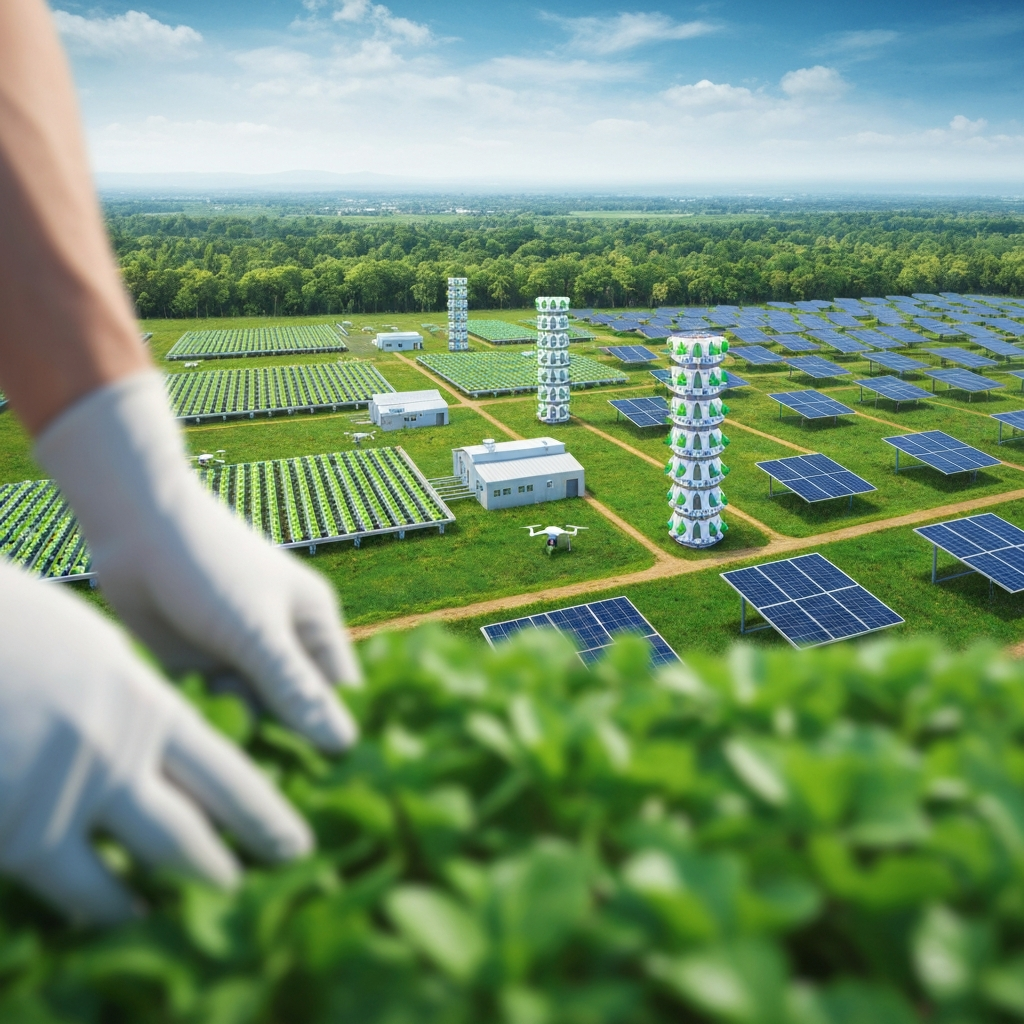
Digital agriculture refers to the integration of modern technologies like sensors, satellite imagery, artificial intelligence, IoT, and data analytics into traditional farming practices. These tools enable farmers to monitor and manage processes such as weather forecasting, soil analysis, irrigation, and harvesting with greater precision.
Benefits for Farmers:
-
Increased efficiency and yield through data-based decision-making
-
Reduced use of water, fertilizers, and energy via smart systems
-
Early detection of pests and diseases with drones and image analysis
-
Predictive analytics to support planning and risk management
-
Improved traceability from field to fork
Challenges & Outlook:
Despite the opportunities, rural internet infrastructure, digital literacy, and initial investment costs remain barriers. Yet, public support, private investment, and education programs continue to push digital adoption forward. Within the next decade, digital technologies are expected to become mainstream in global agriculture.
Digitalization ensures a more efficient, traceable, and sustainable agricultural future. As smart farming solutions become widespread, both producers and consumers benefit from higher quality and more reliable products.

1 min read
Share this postDiğer Yazılar
