We use cookie to improve your experience on our site. By using our site you consent cookies. Learn more

Vertical Farming and Controlled Environment Technologies: The Future of Urban Food Production
As urban populations continue to surge globally, the challenge of providing fresh, sustainable, and locally sourced food becomes increasingly critical. Traditional agricultural methods face immense pressure from shrinking arable land, water scarcity, and unpredictable climate patterns. Enter Vertical Farming and Controlled Environment Agriculture (CEA) – revolutionary approaches poised to redefine how we produce food within our cities. For brands like Kayhan Ertuğrul, understanding and leveraging these innovations is key to building a resilient and sustainable future for food production.
The Urgent Need for Agricultural Innovation
The conventional food supply chain is often long, resource-intensive, and vulnerable to disruptions. It contributes significantly to carbon emissions through transportation, requires vast amounts of land and water, and is highly susceptible to pests, diseases, and adverse weather conditions. This unsustainable model necessitates a paradigm shift, especially as more than half of the world's population now lives in urban areas. The demand for fresher, safer, and locally grown produce is accelerating, pushing the boundaries of agricultural innovation towards more efficient and localized systems.
What is Vertical Farming?
At its core, vertical farming involves growing crops in vertically stacked layers, often indoors in controlled environments. This innovative method utilizes less space, making it ideal for urban settings where land is at a premium. By stacking production layers, farmers can achieve significantly higher yields per square foot compared to conventional farming. This multi-layered approach is typically integrated with advanced technologies to optimize growing conditions, leading to unparalleled efficiency and productivity.
Key Controlled Environment Technologies (CEA)
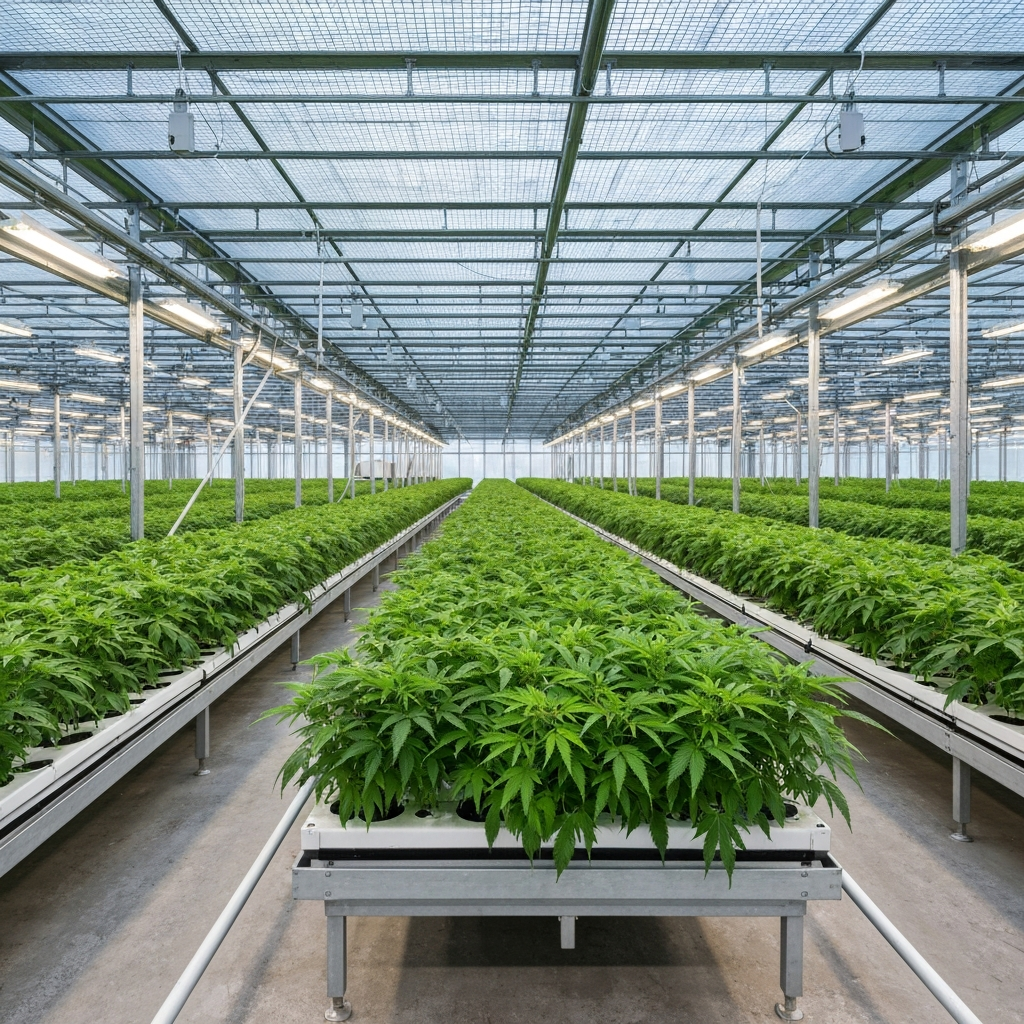
The success of vertical farming hinges on sophisticated Controlled Environment Agriculture (CEA) technologies. These systems allow for precise regulation of environmental factors crucial for plant growth:
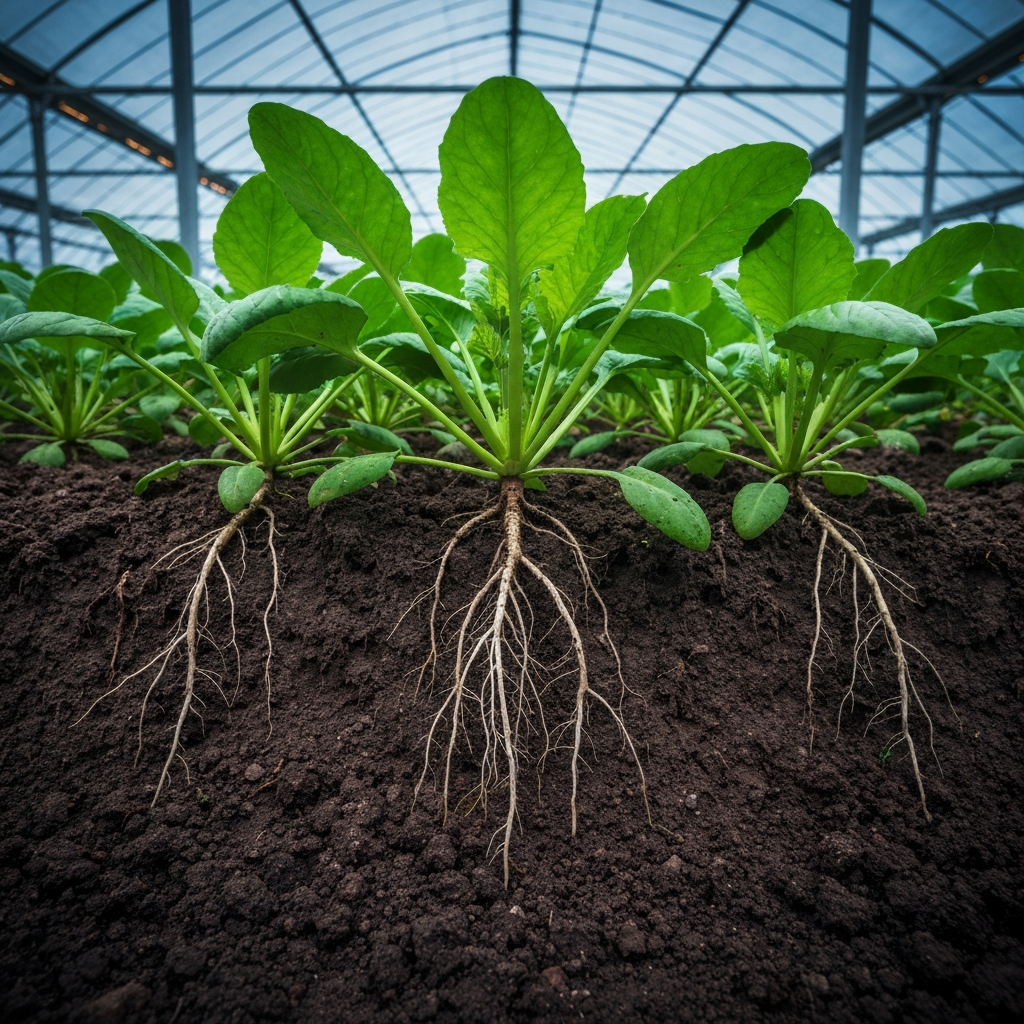
- Hydroponics: Growing plants in nutrient-rich water solutions without soil.
- Aeroponics: Suspending plants in the air and misting their roots with nutrient solutions.
- Aquaponics: A symbiotic system combining aquaculture (raising fish) with hydroponics, where fish waste provides nutrients for plants.
- Advanced LED Lighting: Tailored light spectra accelerate growth and optimize photosynthesis, significantly reducing energy consumption compared to traditional grow lights.
- Climate Control Systems: Regulating temperature, humidity, and CO2 levels to create ideal microclimates for specific crops.
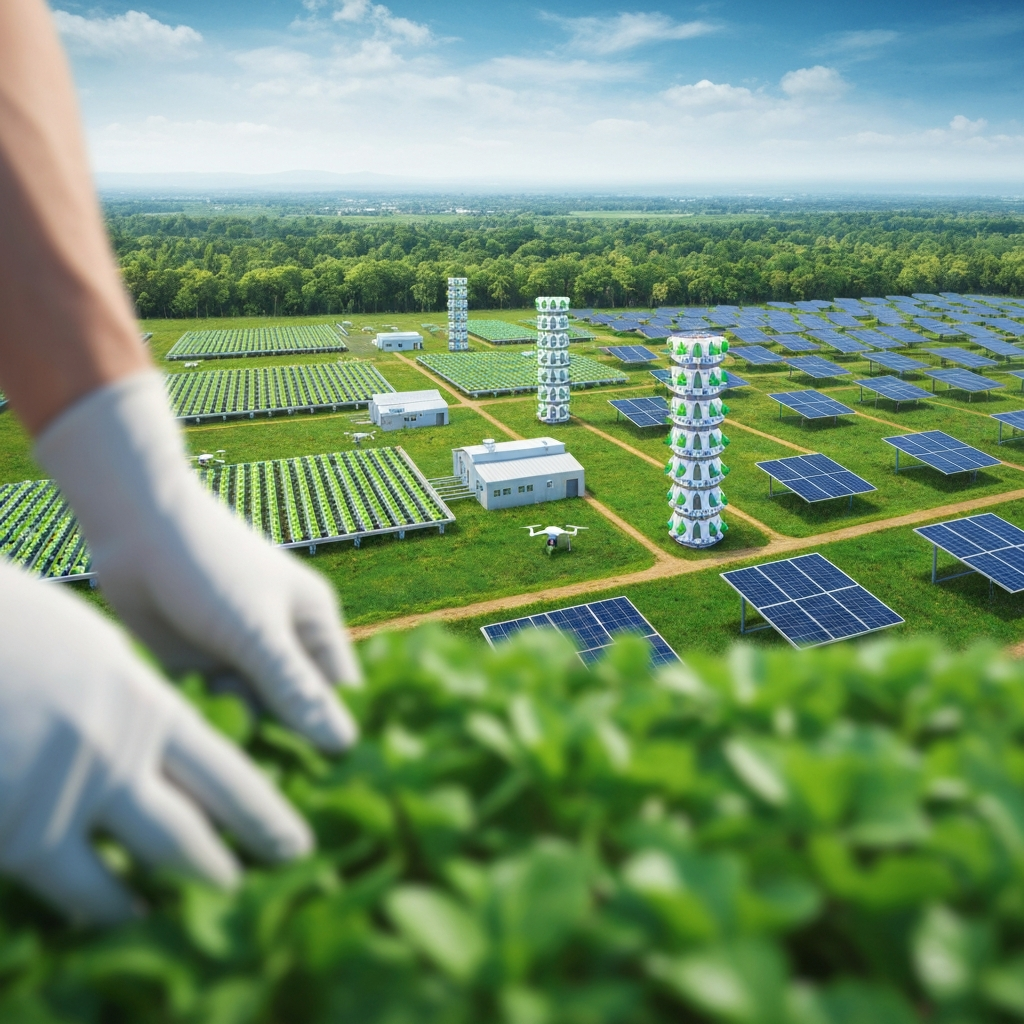
- IoT and AI Integration: Sensors, data analytics, and artificial intelligence monitor and automate processes, from nutrient delivery to pest detection, ensuring maximum efficiency and minimal human intervention.
These interconnected technologies create a highly optimized growing environment, minimizing resource waste and maximizing output.
Benefits of Vertical Farming and CEA
The advantages of adopting vertical farming and CEA are manifold, offering a compelling vision for sustainable food production:
- Resource Efficiency: Uses up to 95% less water than traditional farming due to recirculation systems, and requires no pesticides or herbicides.
- Reduced Land Footprint: Maximizes production in minimal urban spaces, freeing up arable land for other uses.
- Year-Round Production: Unaffected by external weather conditions, allowing for consistent crop yields regardless of season or climate.
- Local Food Systems: Reduces transportation distances and associated carbon emissions, providing fresher produce with longer shelf lives.
- Enhanced Food Safety: Controlled environments minimize exposure to contaminants, pests, and diseases, leading to safer, cleaner food.
- Economic Growth: Creates new job opportunities in urban agriculture, technology, and local distribution.
These benefits collectively contribute to greater food security and environmental stewardship.
Addressing Challenges and Future Outlook
While the initial capital investment and energy costs associated with vertical farming can be significant, ongoing advancements in energy efficiency, renewable energy integration, and automation are steadily reducing these barriers. The trajectory of innovation, supported by companies like Kayhan Ertuğrul, points towards increasingly scalable and economically viable solutions. As research continues to refine growing protocols and optimize energy usage, vertical farms are poised to become an indispensable part of our urban infrastructure, making fresh, nutritious food accessible to all.
Kayhan Ertuğrul's Vision for Urban Agriculture
Vertical farming and Controlled Environment Agriculture are more than just agricultural trends; they represent a fundamental shift in our relationship with food production. By bringing farms into our cities, these technologies offer a powerful solution to global challenges such as food insecurity, environmental degradation, and rapid urbanization. As pioneers in sustainable technological integration, Kayhan Ertuğrul is committed to exploring and implementing these cutting-edge solutions, helping to cultivate a healthier, more sustainable future for urban populations worldwide. The future of food is vertical, intelligent, and closer than ever before.

3 min read
Share this postDiğer Yazılar
