We use cookie to improve your experience on our site. By using our site you consent cookies. Learn more

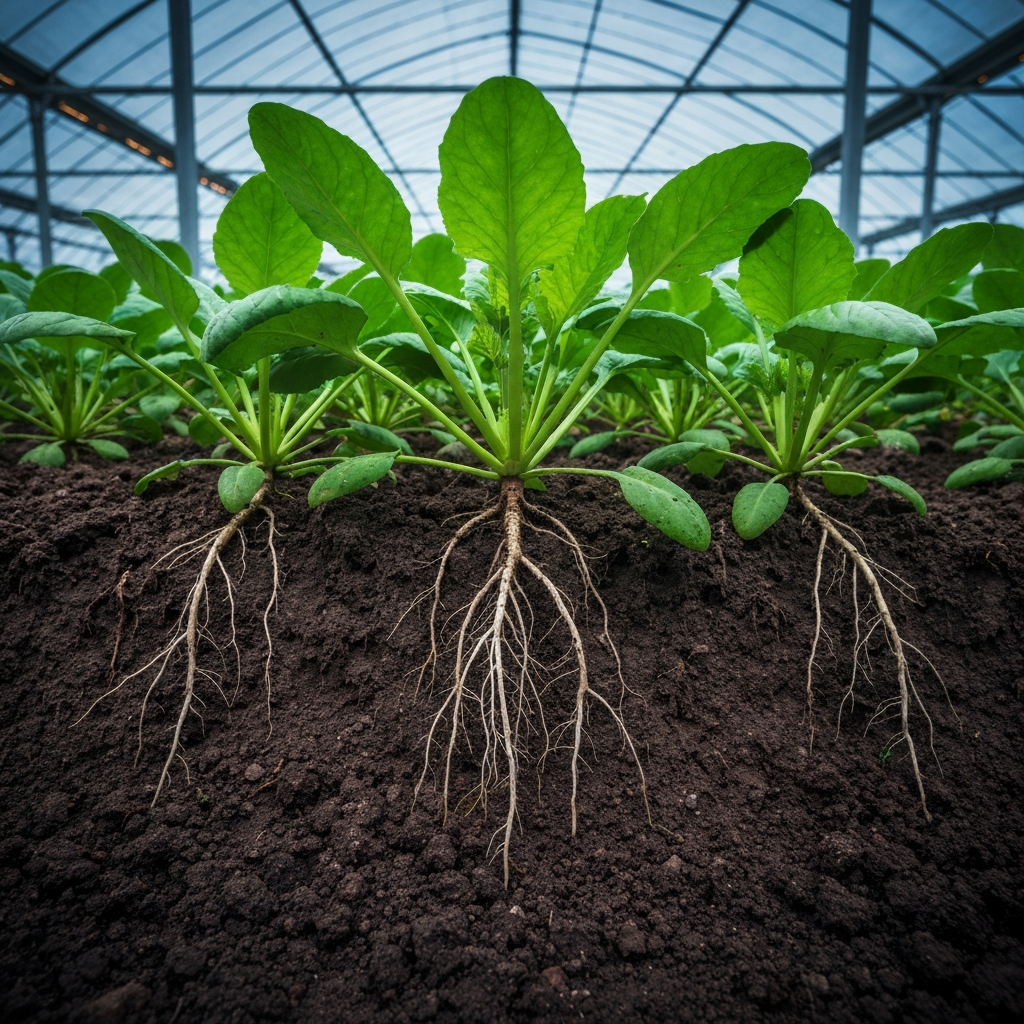
Water management is crucial in agriculture both economically and environmentally. Water is essential for plant growth, but when misused, it leads to significant resource waste and soil degradation. Thus, efficient and precise water usage is the cornerstone of sustainable agriculture.
Depleting Water Resources and Agricultural Stress
Global climate change is diminishing freshwater availability. Droughts, irregular rainfall, and depleted aquifers directly impact agricultural productivity. In such conditions, farmers must manage water resources wisely to sustain crop growth.
Effective Irrigation Techniques
Drip irrigation, sprinkler systems, and sensor-based smart irrigation ensure water reaches only the necessary areas in optimal amounts. These methods reduce water waste and prevent root damage. Drip irrigation, in particular, reduces evaporation losses and can save between 30% and 60% of water.
Balancing Productivity and Sustainability
Efficient irrigation improves crop quality while reducing water consumption during production. This promotes environmentally friendly practices and reduces costs for farmers. Proper irrigation strategies are not only vital for today’s needs but are also crucial for future agriculture.
Digitalization and the Future of Water Management
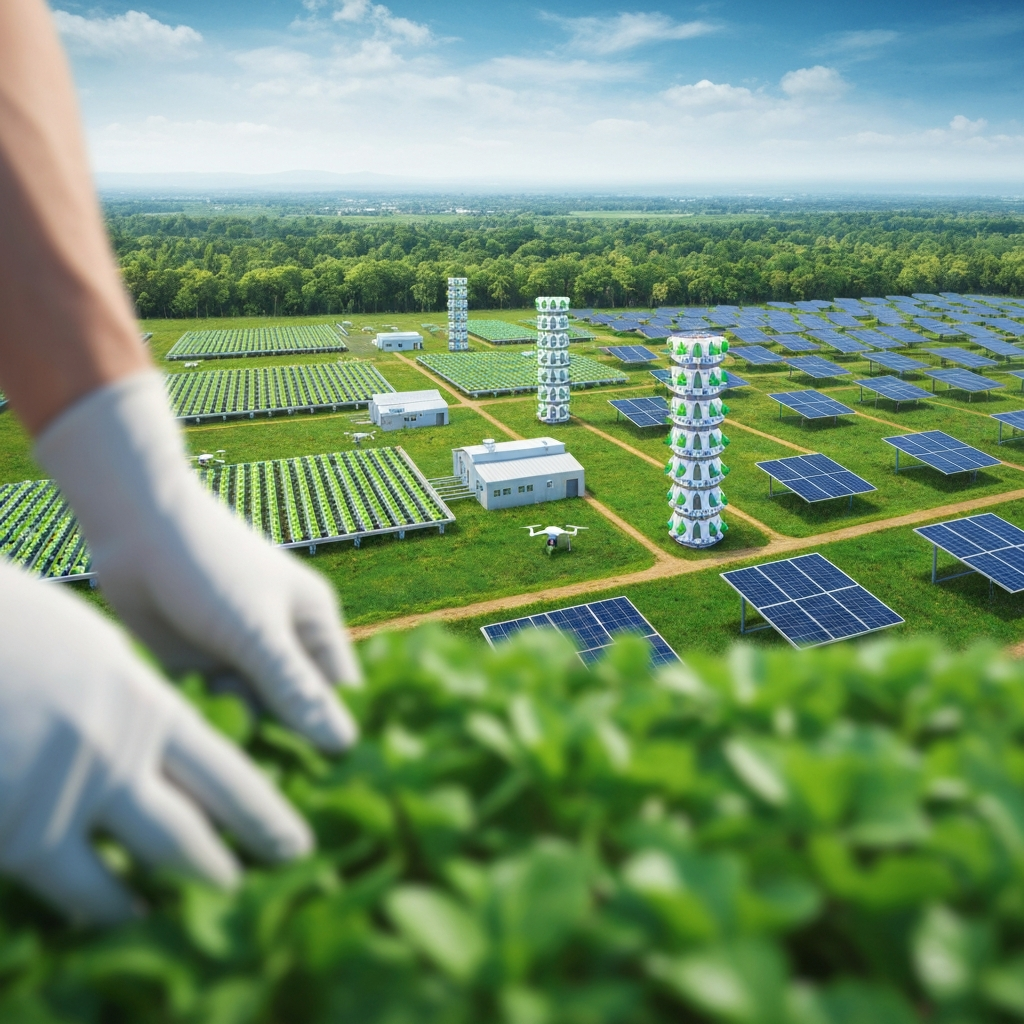
The role of technology in water management is rapidly increasing. Soil moisture sensors, weather stations, and remotely controlled irrigation systems help farmers determine when and how much to irrigate. With the advancement of AI-powered irrigation, every drop of water will be used more efficiently in the future.

1 min read
Share this postDiğer Yazılar
